
A clearer picture
Homelessness is not a single problem with a single solution. Understanding its causes, its human impact, and the gaps in Tucson's shelter system is the first step toward creating lasting change.
Homelessness affects thousands of our neighbors
More than 2,100 people were counted as experiencing homelessness in the Tucson–Pima County area on one night in 2024. More than 1,200 of them were living without shelter.
Source: City of Tucson 2024 Housing and Community Development Annual Report
The real number is larger than any annual count
The annual Point-in-Time Count is a snapshot of a single night. It cannot capture everyone staying temporarily with friends, sleeping in vehicles, moving between unstable situations, or otherwise outside the formal shelter system.
There is no single cause of homelessness
Job loss, rising rents, eviction, illness, disability, domestic violence, family disruption, and a shortage of affordable housing can all contribute. Every person's story is different.
Homelessness is fundamentally a housing problem
Tucson and Pima County do not currently have enough affordable housing, shelter beds, transitional housing, or supportive housing to meet the community's needs.
Source: City of Tucson–Pima County Housing and Community Development Plan
Living outside in Tucson can be life-threatening
Extreme heat, cold nights, monsoon storms, unsafe encampments, and limited access to drinking water and sanitation create serious and immediate dangers.
People need safety before they can rebuild
A secure place to sleep gives someone the stability to protect their belongings, rest, recover, reconnect with services, and begin planning the next step toward permanent housing.
Tucson needs more shelter and supportive housing
Local planning documents identify substantial gaps in emergency shelter beds and in transitional, rapid-rehousing, and permanent supportive housing. Closing those gaps requires coordinated investment and many different housing options.
Micro-shelters are a bridge—not permanent housing
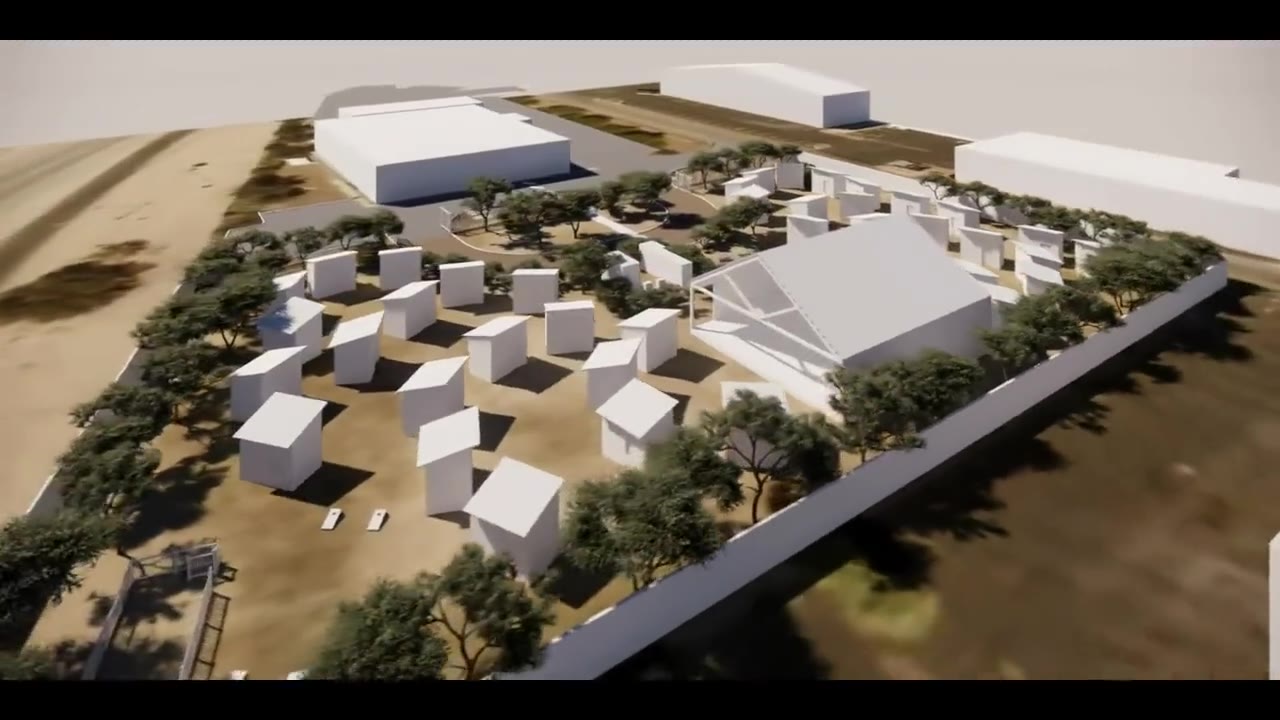
Micro-shelters provide a safer, dignified alternative to tents, vehicles, abandoned buildings, and sleeping directly on the ground while a person works toward permanent housing.
A successful shelter community provides more than a roof
Residents also need shared bathrooms with hot showers, community kitchens, laundry facilities, food pantries, supportive services, and connections to longer-term housing.
Everyone can help
Community members can donate, volunteer, contribute professional expertise or building materials, advocate for housing, and introduce Tucson Hope Factory to potential partners.